








Understanding Mobile Convenience
In today’s fast-paced world, the demand for Mobile convenience has reached unprecedented heights. The ability to access products and services quickly and efficiently has transformed consumer behavior, leading to a seismic shift in the retail landscape. Mobile convenience stores, food trucks, and delivery solutions have emerged as prominent players, providing on-the-go options that cater to the needs of urban populations and busy lifestyles.
What is Mobile Convenience?
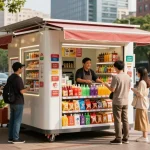
Mobile convenience is defined as the accessibility and ease with which consumers can obtain goods and services on the move. This can take various forms, including mobile convenience stores, food trucks, and pop-up shops designed to meet consumer needs without the necessity of traveling to a traditional retail location. The core principle centers around reducing friction in the purchasing process, thereby enhancing customer satisfaction and loyalty.
History and Evolution of Mobile Convenience
The concept of mobile convenience is not entirely new. Its roots can be traced back to the early days of food trucks and street vendors, which provided ready-to-eat meals to those on the go. However, the modern iteration has evolved significantly with the advent of technology and changing consumer preferences. The introduction of food trucks in the late 20th century marked the beginning of a new era, where culinary entrepreneurs took to the streets to serve gourmet meals. This laid the groundwork for the broader mobile convenience market we see today, where technology abets accessibility through various platforms.
Current Trends and Innovations in Mobile Convenience
As we approach 2026, several trends are shaping the landscape of mobile convenience. Innovations such as automated vending machines, app-based ordering systems, and on-demand delivery services are at the forefront. Additionally, sustainability is becoming increasingly significant, with eco-friendly mobile stores gaining popularity. These advancements are not only enhancing the consumer experience but also pushing entrepreneurs to rethink their business models to incorporate efficiency and responsiveness to market demands.
Benefits of Mobile Convenience
Accessibility for Urban Populations
Mobile convenience has notably increased accessibility for urban populations who often face challenges in accessing traditional retail outlets. High rent costs and traffic congestion can discourage the establishment of brick-and-mortar stores in densely populated areas. Mobile convenience stores fill this gap, bringing essential goods directly to consumers. For instance, neighborhoods labeled as food deserts have seen a marked improvement in nutritional access through mobile grocery services.
Impact on Consumer Behavior and Shopping Habits
The rise of mobile convenience stores has led to a significant shift in consumer behavior. Shoppers are increasingly valuing speed and convenience over traditional shopping experiences. This change has influenced how retailers approach their business strategies, focusing on service delivery rather than product range alone. In 2026, we can expect this trend to continue, with consumers seeking immediate fulfillment of their needs.
Financial Advantages for Entrepreneurs and Startups
For entrepreneurs, mobile convenience offers a lower barrier to entry compared to traditional retail. Startup costs for food trucks or mobile kiosks are typically much lower than for brick-and-mortar stores. Furthermore, mobile businesses have the flexibility to operate in various locations, allowing for better customer engagement and market adaptability. This financial advantage fosters innovation and encourages more businesses to explore mobile concepts.
Mobile Convenience Vs. Traditional Retail
Key Differences in Consumer Experience
The consumer experience in mobile convenience settings greatly differs from traditional retail. Mobile stores typically focus on streamlined service, with shorter wait times and a more personalized interaction. Traditional retail outlets, on the other hand, might offer a wider selection but can often suffer from longer lines and less personalized service. As customers continue to prioritize convenience, mobile services will likely see increased patronage.
Cost Comparisons and Profit Margins
Cost structures for mobile convenience businesses often differ significantly from brick-and-mortar stores. Mobile stores can operate with lower overheads, which allows for competitive pricing strategies. Traditional retailers face higher operational costs due to rent, staffing, and utilities. Consequently, mobile businesses can enjoy more favorable profit margins, particularly when they can establish efficient supply chains.
Adaptability to Market Changes and Consumer Needs
Mobile convenience stores are inherently more adaptable to market changes than their traditional counterparts. They can quickly pivot their offerings based on consumer feedback or emerging trends. For instance, during the COVID-19 pandemic, many mobile businesses quickly transitioned to online ordering and contactless payment systems to meet safety demands. This level of flexibility is crucial for survival in the increasingly dynamic marketplace of 2026 and beyond.
Challenges Faced by Mobile Convenience Stores
Regulatory and Licensing Hurdles
While the opportunities are plentiful, mobile convenience stores also face significant challenges. Regulatory and licensing issues can pose substantial barriers, as many cities require specific permits for mobile vendors. Navigating these regulations can be time-consuming and complex, often leading entrepreneurs to abandon their mobile business aspirations.
Logistical Issues in Supply Chain Management
Supply chain logistics present another hurdle for mobile convenience operations. Ensuring that products are consistently stocked and maintaining food safety standards can be challenging, especially for food delivery services. In 2026, as consumer expectations grow, maintaining an efficient supply chain will be critical for success and sustainability in the mobile convenience market.
Competition from Established Retailers and Food Trucks
Competition remains fierce in the mobile convenience sector. Established retailers are increasingly adapting their strategies to include mobile options, while food trucks proliferate across urban areas. To thrive, mobile convenience businesses must differentiate themselves through unique offerings and exceptional customer service.
The Future of Mobile Convenience
Predictions for Mobile Convenience in 2026 and Beyond
Looking ahead, the future of mobile convenience appears bright. As technology continues to evolve, automated solutions such as self-checkout kiosks and AI-driven inventory systems are expected to become commonplace. By 2026, we may also see further integration of mobile apps that allow for personalized shopping experiences based on user preferences.
Technological Advancements Shaping the Industry
Technological advancements will play a pivotal role in the evolution of mobile convenience. Innovations such as drone delivery and augmented reality shopping experiences may redefine how consumers perceive mobile retail. As these technologies become more accessible in the coming years, they are likely to enhance consumer engagement and operational efficiency.
How to Capitalize on Emerging Opportunities
To capitalize on the burgeoning opportunities within mobile convenience, businesses should focus on building strong customer relationships and utilizing data analytics to tailor their offerings. Understanding consumer preferences and adapting to local demands will be key to sustaining competitive advantages. Furthermore, collaborating with tech companies can help streamline operations and enhance service delivery.